
Out-of-State Violations as a CDL Holder: What You Must Report
Get Quotes Based on Your RecordFederal law requires CDL holders to report all out-of-state convictions within 30 days
Under 49 CFR 383.31, every CDL holder must notify their employer in writing of any traffic conviction—excluding parking violations—within 30 days of the conviction date, regardless of which state issued the ticket or which vehicle you were driving. This federal reporting requirement applies to violations in your personal vehicle, not just your commercial vehicle, and applies whether the out-of-state violation transfers points to your home state or not.
The 30-day window starts from the conviction date, not the citation date. If you pay the ticket, you've been convicted. If you attend traffic court and the judge finds you guilty, that's your conviction date. Missing the 30-day reporting deadline is itself a violation that can trigger CDL suspension under federal regulations, separate from any penalty the underlying traffic violation carries.
Most CDL holders assume out-of-state violations stay in the issuing state and won't affect their home CDL. That's incorrect for two reasons: the Driver License Compact and Non-Resident Violator Compact require 45 member states to share conviction data, and your federal reporting obligation exists whether or not your home state DMV ever processes the out-of-state record.

Out-of-state violations transfer to your home CDL record through interstate data sharing
The Driver License Compact requires member states to report out-of-state convictions to the driver's home state within 30 days of conviction. Your home state then posts the conviction to your CDL driving record and assigns points according to its own point schedule, not the issuing state's schedule. A speeding ticket in Ohio that carries 2 points under Ohio law might carry 3 points when posted to your Michigan CDL record, because Michigan assigns points based on the violation type, not the out-of-state point value.
Five states do not participate in the Driver License Compact: Georgia, Massachusetts, Michigan, Tennessee, and Wisconsin. If you hold a CDL in one of these states, out-of-state convictions may not automatically transfer to your home record, but your federal reporting obligation to your employer remains unchanged. Your employer can access your FMCSA Pre-Employment Screening Program report, which aggregates conviction data from all states regardless of DLC participation.
The National Driver Register and Commercial Driver's License Information System maintain separate federal databases of CDL convictions that your employer, insurance carrier, and future employers can query. An out-of-state conviction that never posts to your home state DMV record can still appear on your CDLIS record and affect your insurability and employment eligibility.

Insurance carriers apply surcharges based on your full conviction history across all states
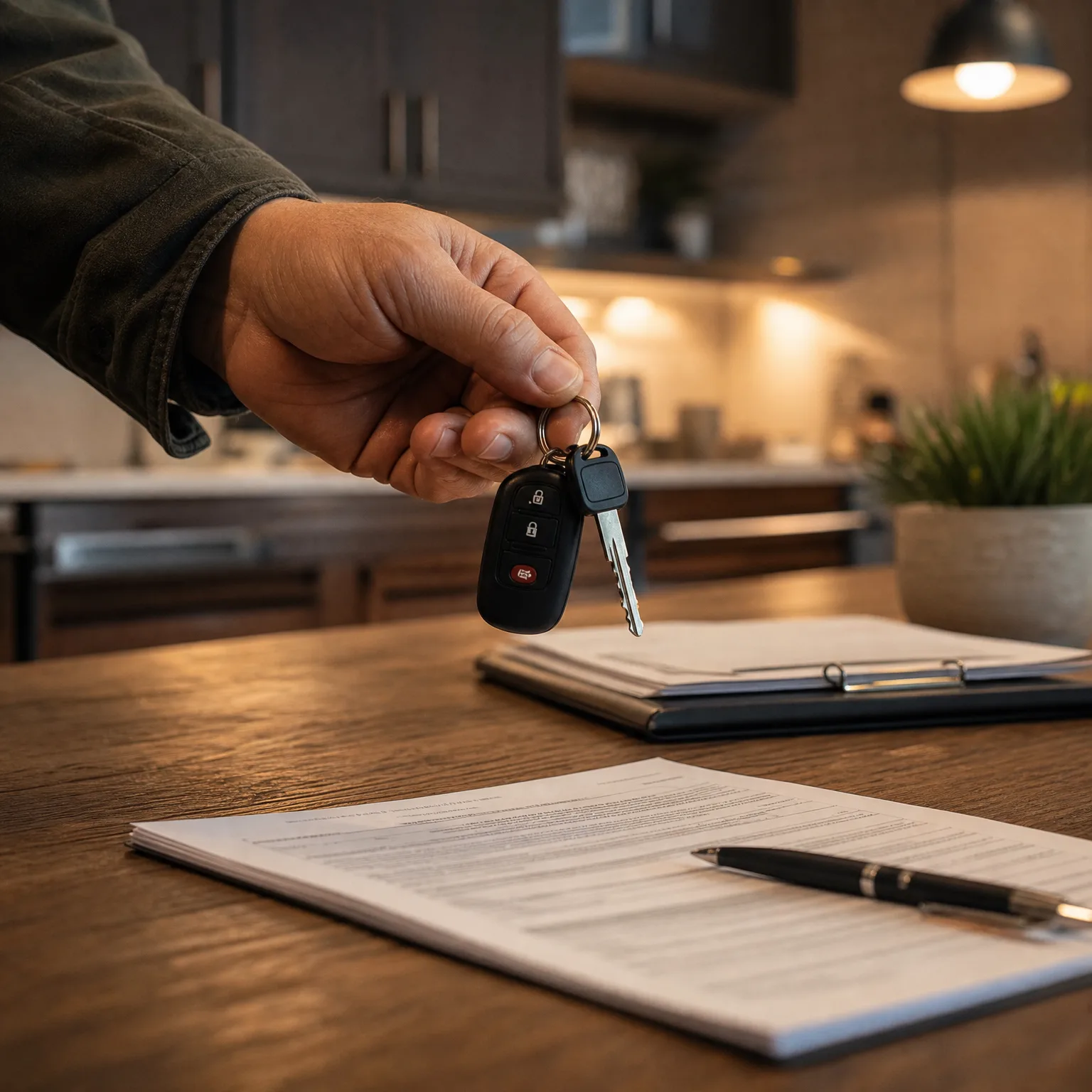
Commercial auto insurers pull your Motor Vehicle Report from your home state and your CLUE report from LexisNexis, which aggregates claims and violations across state lines. A speeding ticket in Nevada will appear on your California CDL driver's MVR within 30 to 60 days of conviction, and your insurer will apply a surcharge at your next renewal—typically 20% to 40% for a first moving violation, escalating to 50% to 80% for a second violation within three years.
Carriers writing commercial policies for CDL holders apply stricter underwriting rules than personal auto carriers. A single serious violation—15 mph or more over the limit, reckless driving, or any violation in a commercial vehicle—can move you from a preferred tier to a standard or non-standard tier, doubling your premium. Two violations within 36 months often trigger non-renewal, and three violations can make you uninsurable in the standard market, forcing your employer to place you in a high-risk pool or remove you from driving assignments.
Your employer's fleet insurance policy covers all drivers under a master policy, but the carrier underwrites each driver individually. If your out-of-state violation pushes the fleet's loss ratio above threshold, the carrier can exclude you from coverage by name, requiring your employer to either find you a separate policy at your own expense or terminate your employment. This is why employer reporting deadlines exist—your conviction affects the employer's premium and coverage eligibility, not just your own.

Get a Rate That Matches Your Record Today
Get Quotes Based on Your RecordFailure to report an out-of-state conviction is a federal violation that triggers CDL suspension
49 CFR 383.31(c) imposes a 60-day CDL disqualification for failing to notify your employer of a conviction within the 30-day window. This disqualification is separate from any suspension the underlying traffic violation triggers. If you received a speeding ticket that would normally carry no suspension, but you failed to report it within 30 days, you now face a 60-day disqualification for the reporting failure plus any penalty the original violation carries.
State DMVs enforce this federal rule through their CDL programs. When your home state receives notification of an out-of-state conviction through the Driver License Compact, it cross-checks the conviction date against your employer notification record. If your employer has no record of your written notification within 30 days, the state issues a federal disqualification notice, and your CDL is suspended for 60 days. You cannot drive commercially during this period, and most employers terminate drivers who incur federal disqualifications.
The written notification requirement is literal—verbal disclosure to a dispatcher or safety manager does not satisfy 49 CFR 383.31. You must provide written notice that includes the date of conviction, the nature of the violation, the location where it occurred, and the vehicle you were operating. Many carriers provide a standardized conviction notification form. If your employer does not, send an email or certified letter with the required details and retain proof of delivery.
Out-of-state violations in a personal vehicle carry the same reporting and insurance consequences as commercial vehicle violations
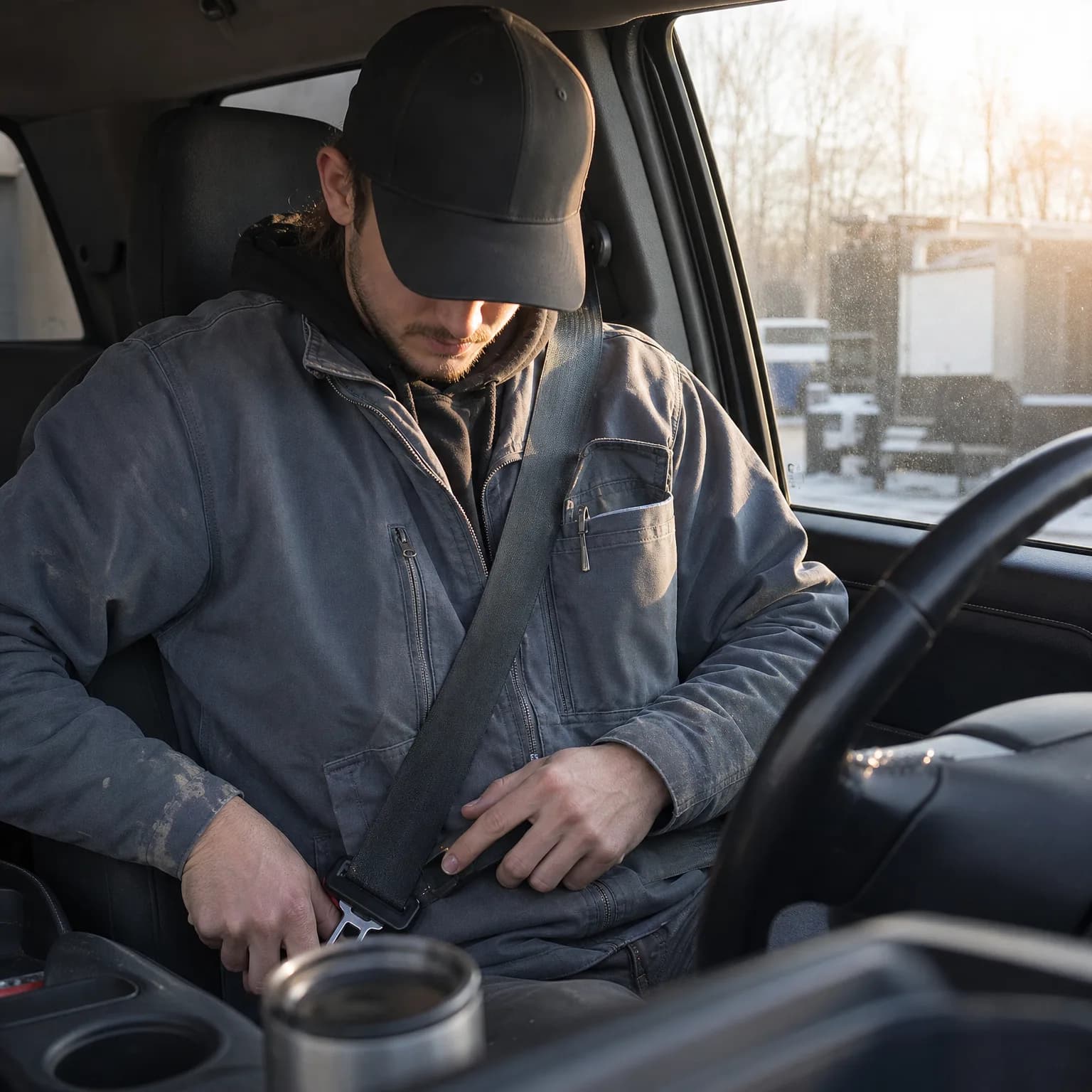
Federal reporting requirements under 49 CFR 383.31 make no distinction between violations in a commercial vehicle and violations in your personal vehicle. A speeding ticket you receive while driving your personal car on vacation in another state must be reported to your employer within 30 days, and it will appear on your CDLIS record and MVR when your home state processes the conviction.
Insurance carriers apply identical surcharges regardless of which vehicle you were driving when convicted. A 20 mph over speeding ticket in your personal sedan in Florida will increase your employer's commercial fleet premium the same amount as the same violation in a tractor-trailer. Carriers view any moving violation as a predictor of future loss regardless of vehicle type, and CDL underwriting guidelines treat all violations as work-related risk.
Some CDL holders assume personal vehicle violations are private and won't be reported. That assumption costs jobs. Every state that issues a traffic citation runs your license through the National Driver Register at the time of the stop. When the officer discovers you hold a CDL, that information is flagged in the citation record, and the conviction is automatically routed to CDLIS when processed, ensuring your employer and insurer will learn of the violation even if you don't disclose it.

Steps to take immediately after receiving an out-of-state violation
Notify your employer in writing within 7 days of the citation, even before your court date. Include the citation number, the issuing state, the date and location of the stop, the vehicle you were driving, and the charge. Do not wait for the conviction date—early disclosure protects you from the appearance of concealment and gives your employer time to assess insurance impact before renewal.
If the violation is eligible for defensive driving or traffic school in the issuing state, complete the course before your court date and request adjudication withheld or a reduced charge. Some states allow CDL holders to take a state-approved course to prevent a conviction from being reported to the Driver License Compact, but this option is unavailable for serious violations and varies widely by state. Call the issuing court clerk and ask specifically whether completion will prevent DLC reporting—do not assume the ticket will disappear from your record.
Request a copy of your MVR from your home state 60 days after your conviction date to confirm the violation posted correctly and the point assignment matches your state's schedule. If the violation appears with incorrect details—wrong date, wrong vehicle type, or wrong charge—file a correction request with your home state DMV immediately. Insurance carriers and employers pull your MVR at renewal, and uncorrected errors can trigger surcharges or disqualifications you don't legally owe.
Frequently Asked Questions
Do I have to report an out-of-state speeding ticket to my employer if I hold a CDL?
Yes. Federal regulation 49 CFR 383.31 requires every CDL holder to notify their employer in writing of any traffic conviction within 30 days, regardless of which state issued the ticket or which vehicle you were driving. Failure to report within 30 days triggers a 60-day CDL disqualification separate from any penalty the ticket itself carries.
Will an out-of-state violation show up on my home state CDL record?
Yes, in most cases. Forty-five states participate in the Driver License Compact, which requires member states to report out-of-state convictions to your home state within 30 days. Your home state then posts the conviction to your CDL record and assigns points according to its own schedule, not the issuing state's point values.
Can I take traffic school in another state to keep a violation off my CDL record?
It depends on the issuing state's rules and the violation type. Some states allow CDL holders to complete defensive driving to prevent Driver License Compact reporting, but serious violations—15 mph or more over the limit, reckless driving, or any commercial vehicle violation—are typically ineligible. Call the issuing court clerk and ask whether course completion prevents DLC reporting before you pay the fine.
How much will my commercial insurance increase after an out-of-state speeding ticket?
A first moving violation typically increases commercial fleet premiums by 20% to 40%, and a second violation within three years can trigger a 50% to 80% surcharge or policy non-renewal. Carriers apply these surcharges regardless of which state issued the ticket or which vehicle you were driving at the time of the violation.
What happens if I don't report an out-of-state ticket and my employer finds out later?
Your employer will discover the conviction when they pull your MVR at renewal or when the state processes the out-of-state record through the Driver License Compact. You will face a 60-day federal CDL disqualification for missing the 30-day reporting deadline, and most employers terminate drivers who incur federal disqualifications, regardless of the underlying violation severity.
Related Articles

CDL Holder Personal Points: 60-Day Reporting Rule
5/18/2026

CDL Personal Speeding Ticket: Employer Disclosure Rules
5/18/2026
CDL Multiple Violations: Disqualification Rules
5/18/2026
CDL Off-Duty Accident Disclosure: The 30-Day Rule
5/18/2026

CDL Reckless Driving Off-Duty: 60-Day Notification Rule
5/18/2026

Out-of-State Violations With Points: Reporting Facts
5/18/2026