What Affects Rates in Anchorage
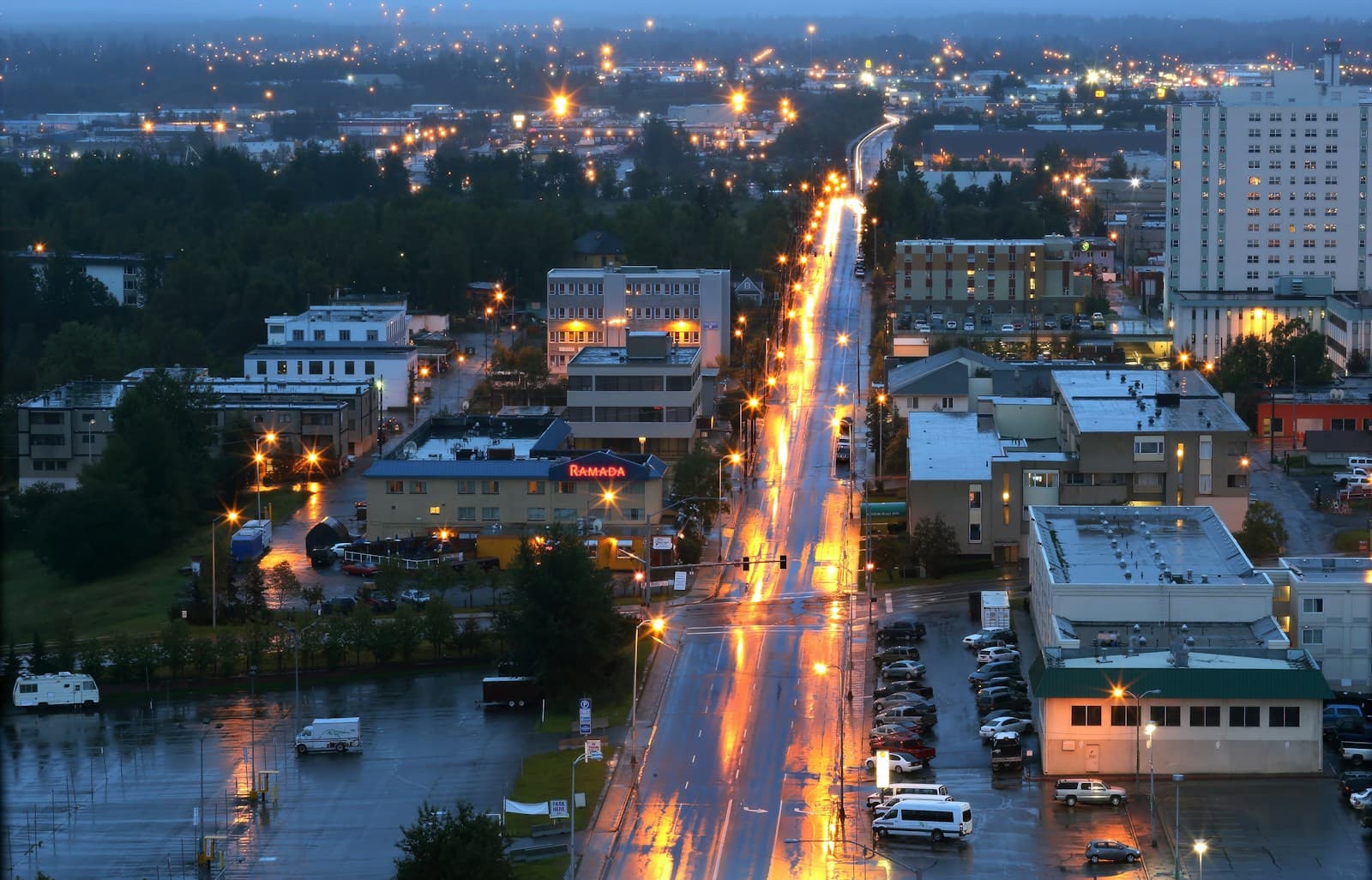
- Winter Weather Accident Rates: Anchorage's sustained winter conditions from October through April contribute to elevated accident frequency, particularly for drivers with prior at-fault incidents. High-risk carriers price in the extended ice-and-snow season when evaluating applications from drivers with recent violations.
- Limited Carrier Competition: Anchorage has fewer non-standard carriers operating than Lower 48 metro areas of comparable size, reducing competitive pressure on high-risk rates. Drivers with DUIs often find only 2–3 carriers willing to write policies, limiting negotiation leverage.
- High Uninsured Motorist Population: Alaska's statewide uninsured driver rate exceeds the national average, with enforcement challenges in rural-adjacent areas around Anchorage. This elevates uninsured/underinsured motorist coverage costs for all drivers, including those already paying high-risk premiums.
- Remote Jurisdiction Processing Delays: SR-22 filings processed through Alaska's Division of Motor Vehicles can experience longer turnaround than urban Lower 48 jurisdictions, particularly during winter months. Delays in processing can extend license suspension periods if filings aren't submitted well before reinstatement deadlines.
- Sparse Traffic Enforcement Outside Urban Core: While Anchorage itself has active traffic enforcement, surrounding Eagle River and Chugiak areas see less consistent patrols. Drivers with suspended licenses may drive uninsured longer before detection, creating gaps that trigger SR-22 extensions when eventually caught.
Compare rates from carriers that work with drivers who have points
Standard carriers surcharge heavily after violations. These specialists price your specific record differently.
Get Your Free QuoteCoverage Recommendations
Cost estimates are based on available industry data and vary by driver profile. These are not insurance quotes.
SR-22 Non-Standard Auto Insurance
Non-standard carriers in Anchorage write most post-DUI and post-suspension policies, with monthly premiums starting around $185 for minimum coverage. These carriers specialize in high-risk profiles but require continuous coverage—a single lapse restarts your 3-year SR-22 clock and adds a new violation.
$185–$375/mo for liability with SR-22 filingEstimated range only. Not a quote.
Liability Insurance
Alaska requires 50/100/25 minimum liability limits, but Anchorage's higher cost of living and medical expenses make 100/300/100 limits more protective for high-risk drivers facing additional scrutiny after violations. Increasing limits adds $30–$60/mo but provides substantially more protection if you cause another accident during your SR-22 period.
$40–$90/mo premium increase for 100/300/100Estimated range only. Not a quote.
Uninsured Motorist Coverage
Given Alaska's elevated uninsured driver rate and Anchorage's winter accident frequency, uninsured/underinsured motorist coverage protects high-risk drivers from out-of-pocket costs when hit by uninsured drivers. Particularly valuable during your SR-22 period when you can't afford another claim complicating your record.
$15–$35/mo for 50/100 UM/UIM limitsEstimated range only. Not a quote.
Full Coverage
Full coverage (liability + collision + comprehensive) in Anchorage typically costs $280–$475/mo for high-risk drivers, with comprehensive claims driven by winter weather damage, moose collisions, and vehicle theft in certain neighborhoods. Only financially justifiable for newer vehicles worth more than $8,000–$10,000 given the premium cost.
$280–$475/mo for high-risk drivers with financed vehiclesEstimated range only. Not a quote.