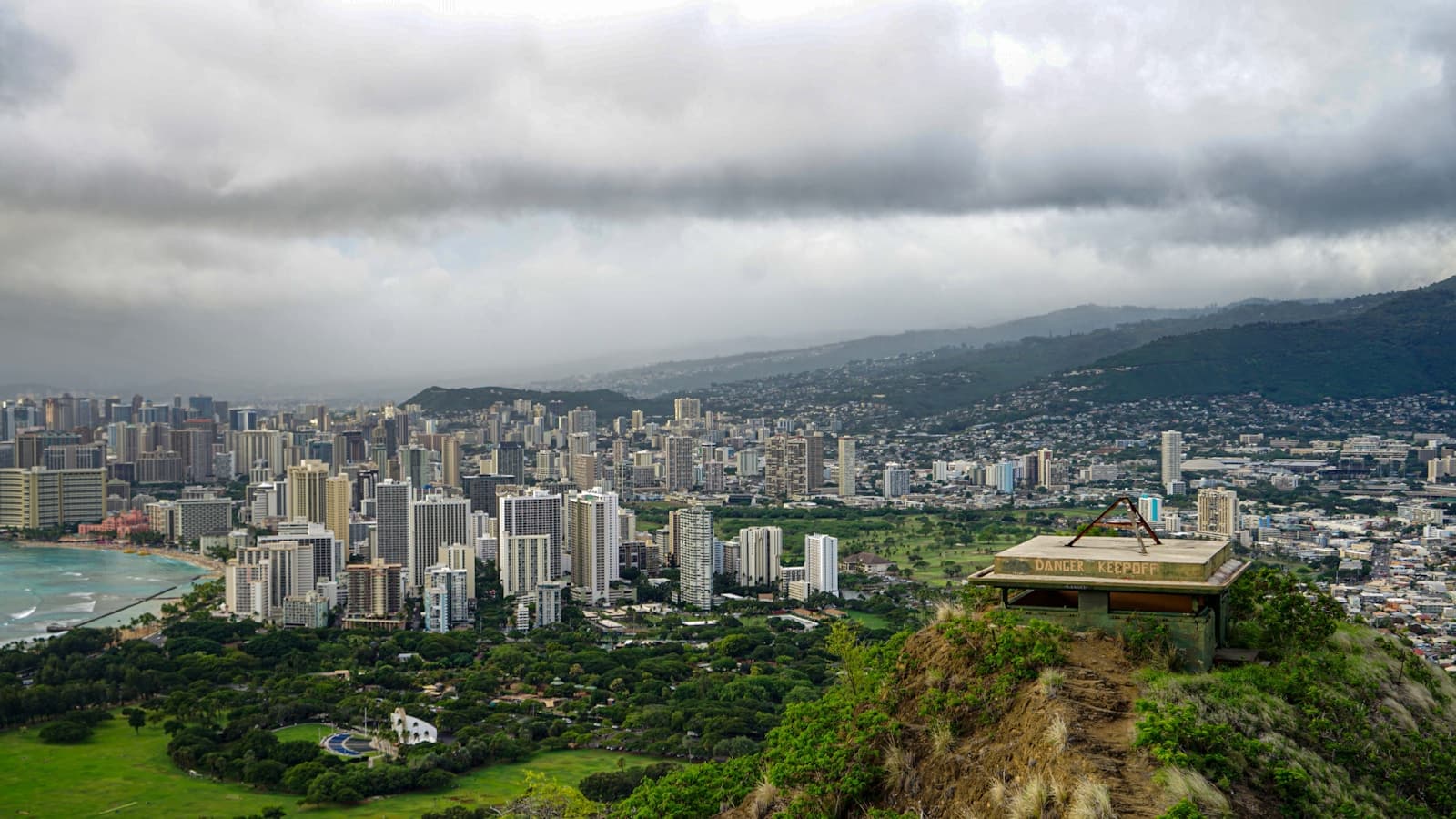
What Affects Rates in Honolulu
- H-1 Freeway Congestion: The H-1 corridor through Honolulu experiences some of Hawaii's highest accident rates, particularly during morning and evening commutes between Pearl City and downtown. High-risk drivers with at-fault accidents face steeper surcharges when their incident occurred in high-density corridors.
- No-Fault PIP Requirements: Hawaii's no-fault system requires $10,000 minimum Personal Injury Protection, which raises base premiums before violation surcharges are applied. High-risk drivers in Honolulu pay 40–80% more than standard-risk drivers for the same PIP coverage.
- Tourism-Related Accident Rates: Waikiki and surrounding tourist zones see elevated accident frequency involving unfamiliar drivers and pedestrians. Carriers price Honolulu ZIP codes higher than neighbor island rates due to this concentrated risk exposure.
- Limited Non-Standard Carrier Competition: Fewer non-standard insurers operate in Hawaii compared to mainland markets, reducing competitive pricing for SR-22 and post-DUI coverage. Drivers often see narrower rate spreads between carriers than in states with more high-risk market competition.
- Military Population Overlap: Joint Base Pearl Harbor-Hickam and Schofield Barracks create a transient driver population with varying licensing and insurance continuity. Lapse-related SR-22 filings are common, and carriers adjust Honolulu rates to reflect non-deployment coverage gaps.
Compare rates from carriers that work with drivers who have points
Standard carriers surcharge heavily after violations. These specialists price your specific record differently.
Get Your Free QuoteCoverage Recommendations
Cost estimates are based on available industry data and vary by driver profile. These are not insurance quotes.
SR-22 Insurance
SR-22 is a certificate filed by your insurer proving you carry Hawaii's minimum liability ($20,000/$40,000/$10,000) plus $10,000 PIP. In Honolulu, non-standard carriers like Progressive, Acceptance, and The General write most SR-22 policies, with filing fees of $25–$50 and 3-year continuous coverage requirements.
$25–$50 filing + violation surchargeEstimated range only. Not a quote.
Liability Insurance
Hawaii requires $20,000 per person, $40,000 per accident bodily injury, and $10,000 property damage. High-risk drivers in Honolulu often carry 50/100/25 or 100/300/50 limits to offset future violation impacts and meet lender requirements if financing a vehicle.
$90–$200/mo for state minimum (high-risk)Estimated range only. Not a quote.
Full Coverage
Liability plus collision and comprehensive coverage protects your vehicle and satisfies loan/lease requirements. Honolulu high-risk drivers with DUIs or multiple violations pay $250–$450/month for full coverage on a financed vehicle, with comprehensive costs elevated by theft rates in urban areas.
$250–$450/mo (high-risk, financed vehicle)Estimated range only. Not a quote.
Uninsured Motorist Coverage
Hawaii has a relatively low uninsured driver rate, but Honolulu's density increases exposure to hit-and-run incidents. High-risk drivers adding UM/UIM coverage typically pay an extra $15–$40/month, which protects against gaps if an at-fault uninsured driver hits you.
+$15–$40/mo typical addEstimated range only. Not a quote.