
What Affects Rates in Billings
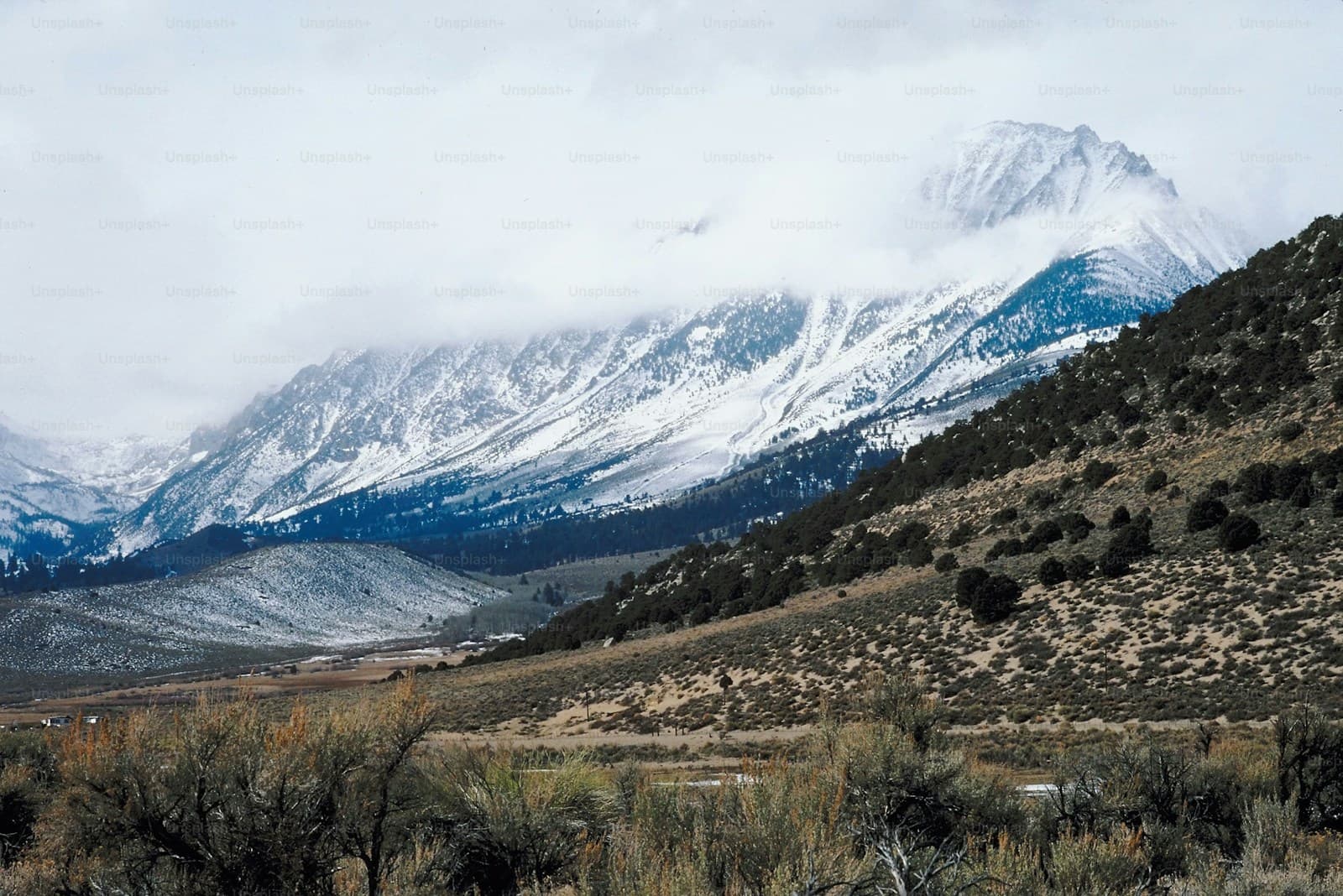
- Winter Driving Conditions: Billings averages 56 inches of snow annually, with frequent ice on I-90 and I-94 corridors from November through March. High-risk drivers face steeper comprehensive and collision premiums due to elevated weather-related accident exposure during Montana's prolonged winter season.
- Urban-Rural Traffic Mix: As Montana's largest city with roughly 117,000 residents, Billings combines urban congestion around downtown and the Heights with high-speed rural highway access. Drivers with speeding violations or at-fault accidents see premium increases reflecting both city collision frequency and rural road severity risk.
- Limited Carrier Competition: Montana's sparse population and high-risk market concentration mean fewer standard carriers write policies in Billings compared to larger metro areas. DUI and suspended license drivers typically rely on non-standard insurers or state-assigned risk pools, reducing rate competition and raising baseline costs.
- Court-Ordered SR-22 Monitoring: Yellowstone County District Court and Billings Municipal Court frequently mandate SR-22 filing for DUI and reckless driving convictions. Carriers submit electronic certifications to Montana MVD; any lapse triggers automatic license re-suspension, making continuous coverage essential and policy shopping more constrained.
- Uninsured Motorist Exposure: Montana's estimated uninsured driver rate hovers near 7%, below the national average but still significant in rural areas surrounding Billings. High-risk drivers already paying elevated premiums benefit from uninsured/underinsured motorist coverage to protect against gaps in at-fault driver policies.
Compare rates from carriers that work with drivers who have points
Standard carriers surcharge heavily after violations. These specialists price your specific record differently.
Get Your Free QuoteCoverage Recommendations
Cost estimates are based on available industry data and vary by driver profile. These are not insurance quotes.
SR-22 Insurance
SR-22 is a Montana MVD certificate proving you carry minimum liability coverage of 25/50/20 ($25,000 bodily injury per person, $50,000 per accident, $20,000 property damage). In Billings, the filing itself costs $25–$50, but the underlying high-risk policy drives the premium to $150–$280/month for full coverage.
$25–$50 filing + high-risk premiumEstimated range only. Not a quote.
Liability Insurance
Montana's 25/50/20 minimums satisfy SR-22 requirements, but Billings drivers with violations should consider 100/300/100 limits given at-fault tort exposure. High-risk liability-only policies typically run $80–$140/month, while minimum coverage saves $20–$40/month but leaves substantial out-of-pocket risk.
$80–$140/mo liability-onlyEstimated range only. Not a quote.
Full-Coverage Insurance
Full coverage (liability, collision, comprehensive) costs high-risk Billings drivers $150–$280/month, reflecting DUI or violation surcharges plus winter weather and urban accident frequency. Financing a vehicle or protecting equity typically justifies the added collision/comprehensive cost despite the premium increase.
$150–$280/mo typical rangeEstimated range only. Not a quote.
Uninsured Motorist Coverage
Montana does not require uninsured/underinsured motorist coverage, but Billings drivers with violations benefit from the $15–$30/month add-on given statewide uninsured driver rates near 7%. This coverage pays your medical bills and vehicle damage when an at-fault driver lacks adequate insurance.
$15–$30/mo add-onEstimated range only. Not a quote.