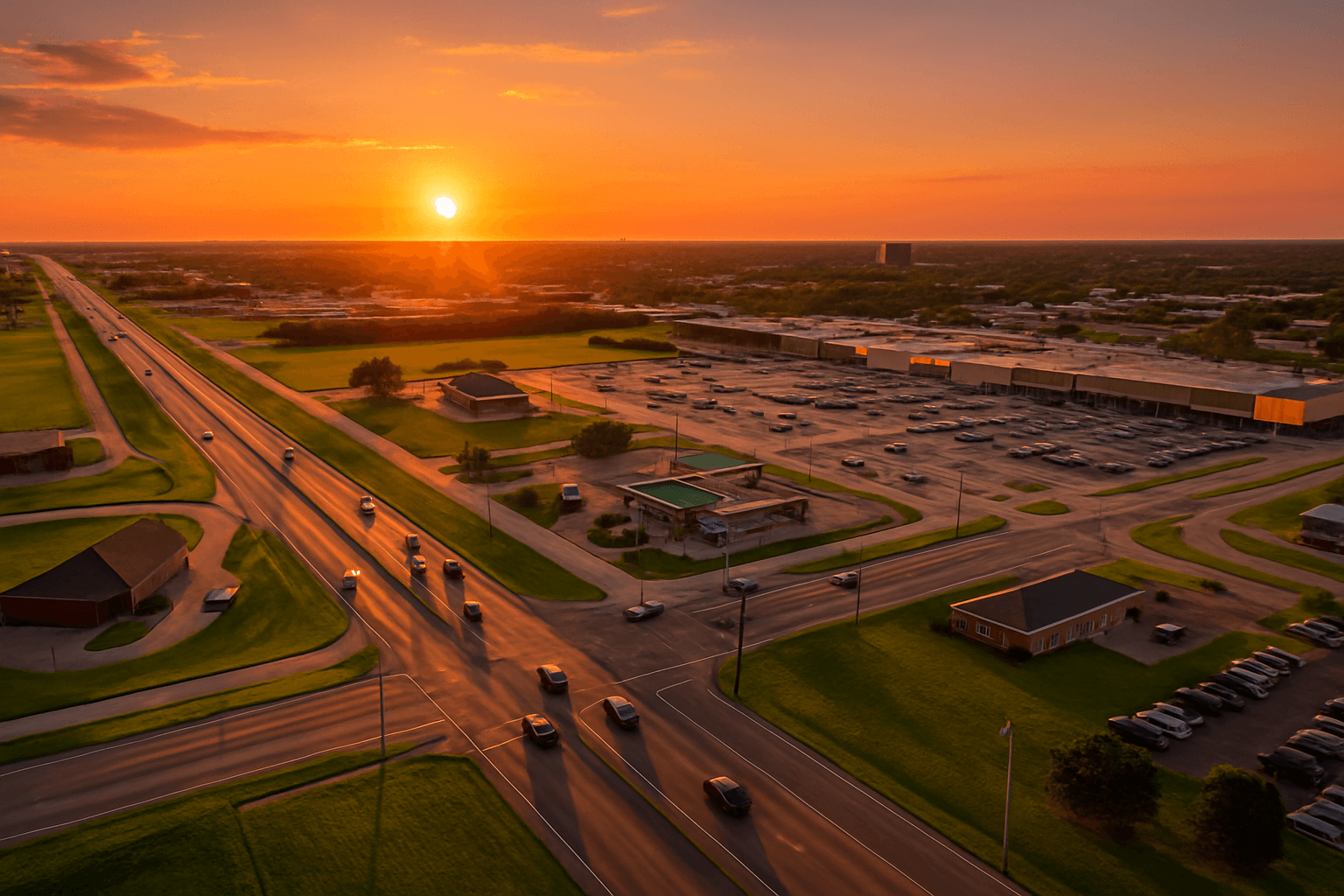
What Affects Rates in Grand Island
- Grand Island Traffic Density & Rural Mix: Grand Island's 51,000 population creates moderate traffic on Highway 281 and US-30 corridors, but surrounding Hall County farmland means many high-risk drivers face split rating zones. Carriers price urban addresses near downtown and Stolley Park higher than outer South Locust or Alda-area zip codes due to collision frequency differences.
- Hall County Court Processing for DUI & Reckless Driving: Hall County District Court handles DUI and major violations, with convictions triggering Nebraska DMV SR-22 requirements within 30 days. Failure to file SR-22 during this window results in automatic license suspension, extending your high-risk period and increasing premiums by 20–40% when you reinstate.
- Winter Weather Impact on At-Fault Accidents: Grand Island averages 28 inches of snow annually, with I-80 and Highway 34 seeing elevated winter collision rates. Drivers with existing at-fault accidents face compounded rate increases after weather-related claims, as carriers view multiple incidents as pattern risk regardless of conditions.
- Regional Non-Standard Carrier Access: Grand Island's location in central Nebraska means fewer walk-in non-standard carrier offices compared to Omaha or Lincoln, but regional specialists like Dairyland, Progressive's high-risk division, and The General write policies here. Local independent agents often access multiple non-standard markets, critical for comparing SR-22 rates that vary 40–60% between carriers for identical violations.
- Agricultural Commute Patterns & Mileage Rating: Many Grand Island residents commute to agricultural jobs outside city limits, increasing annual mileage beyond typical urban profiles. High-risk drivers with 15,000+ annual miles pay 15–25% more than low-mileage counterparts, as exposure time directly correlates with claim probability in carrier pricing models.
Compare rates from carriers that work with drivers who have points
Standard carriers surcharge heavily after violations. These specialists price your specific record differently.
Get Your Free QuoteCoverage Recommendations
Cost estimates are based on available industry data and vary by driver profile. These are not insurance quotes.
SR-22 Insurance
Nebraska requires SR-22 filing for DUI, reckless driving, driving without insurance, or license suspension. The SR-22 itself costs $25–$50 to file, but the underlying liability policy for high-risk drivers in Grand Island runs $85–$165/month for state minimums (25/50/25), with non-standard carriers often requiring 6-month upfront payment.
$85–$165/mo for liability with SR-22Estimated range only. Not a quote.
Non-Standard Auto Insurance
Non-standard carriers specialize in high-risk profiles and dominate Grand Island's SR-22 market. These insurers accept recent DUIs, multiple violations, or lapses that standard carriers decline, but rates run 60–150% higher than preferred driver pricing. Shopping 3–5 non-standard quotes in Grand Island typically reveals $40–$80/month spreads for identical coverage.
$110–$280/mo for liability; $200–$380/mo full coverageEstimated range only. Not a quote.
Liability Insurance
Nebraska's 25/50/25 minimum covers $25,000 per person/$50,000 per accident for injury and $25,000 property damage. High-risk drivers in Grand Island often secure minimum limits first to satisfy SR-22 requirements, but upgrading to 50/100/50 or 100/300/100 adds only $15–$35/month and protects against Hall County's median home values near $150,000 in at-fault scenarios.
$85–$165/mo for state minimums; $105–$195/mo for 50/100/50Estimated range only. Not a quote.
Uninsured Motorist Coverage
With 11% of Nebraska drivers uninsured, Grand Island high-risk drivers face elevated exposure to hit-and-run or underinsured claims. UM/UIM coverage costs $8–$18/month added to high-risk policies and covers your injuries if an uninsured driver hits you, critical since at-fault drivers already carry higher medical claim risk in carrier actuarial models.
$8–$18/mo added to policyEstimated range only. Not a quote.