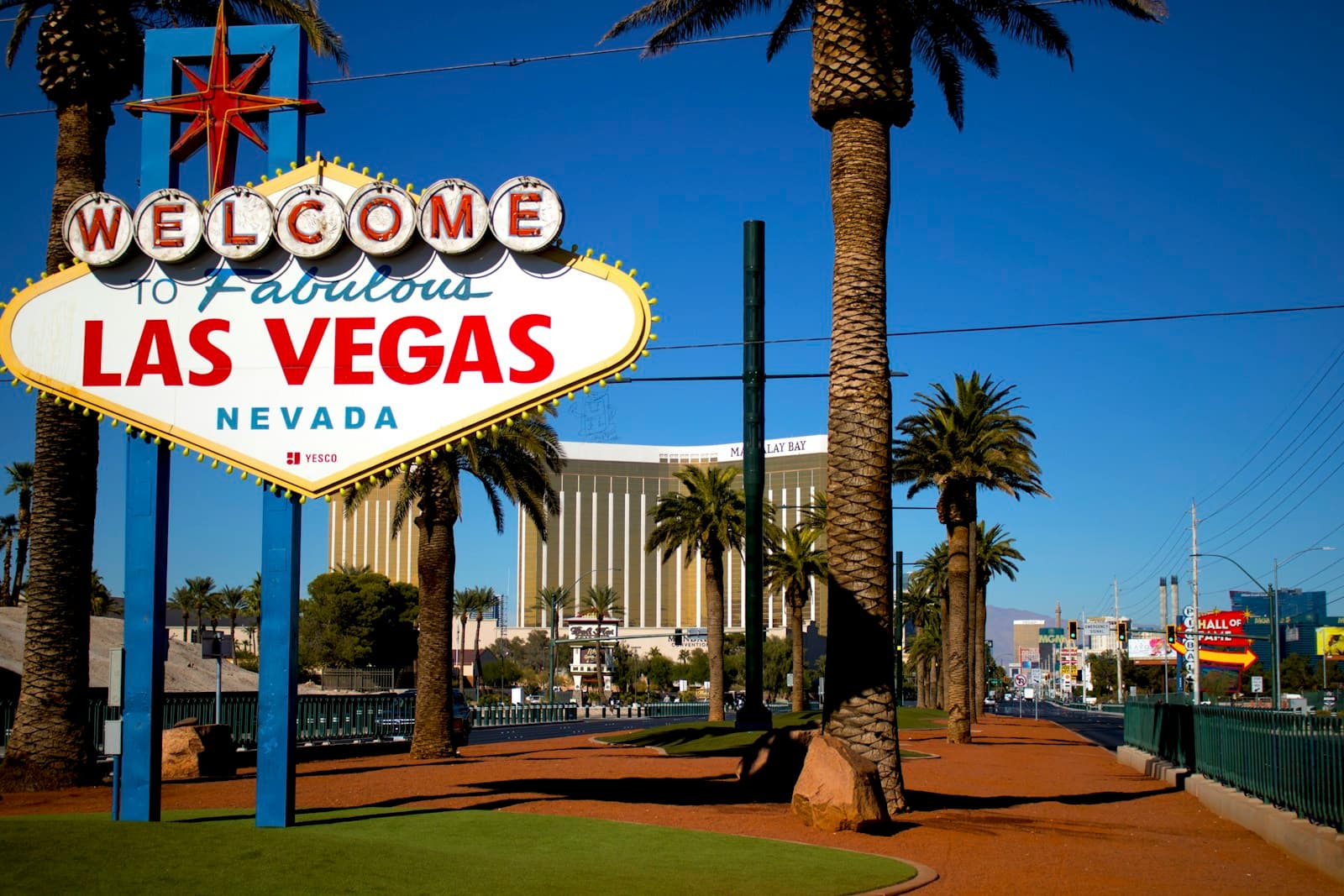
What Affects Rates in Las Vegas
- Interstate 15 Corridor Accident Density: The I-15 corridor through Las Vegas experiences heavy traffic congestion and elevated accident frequency, particularly near the Strip and downtown interchanges. High-risk drivers face steeper rate increases here because carriers price in the likelihood of repeat claims in high-density accident zones.
- Elevated Uninsured Motorist Population: Nevada consistently reports uninsured driver rates above the national average, concentrated in Clark County's urban core. Carriers writing high-risk policies compensate for this exposure by charging higher premiums for uninsured motorist coverage, which becomes essential protection in Las Vegas.
- Tourism Traffic and Non-Resident Drivers: Las Vegas streets see disproportionate numbers of unfamiliar out-of-state drivers navigating tourist corridors, increasing collision risk. High-risk drivers in neighborhoods near the Strip or convention areas typically see higher quotes due to elevated collision frequency in these zones.
- Heat-Related Vehicle and Road Conditions: Summer temperatures regularly exceeding 110°F contribute to tire blowouts, vehicle fires, and road surface deterioration on Las Vegas roadways. Comprehensive coverage costs more for high-risk drivers here than in temperate climates because heat accelerates non-collision claim frequency.
- Non-Standard Carrier Concentration: Las Vegas has a dense concentration of non-standard and high-risk specialty carriers due to the city's transient population and elevated violation rates. This competition can create rate advantages for DUI and SR-22 drivers compared to smaller Nevada cities with fewer specialist options.
Compare rates from carriers that work with drivers who have points
Standard carriers surcharge heavily after violations. These specialists price your specific record differently.
Get Your Free QuoteCoverage Recommendations
Cost estimates are based on available industry data and vary by driver profile. These are not insurance quotes.
SR-22 Insurance
SR-22 is a certificate your carrier files with Nevada DMV proving you carry at least state minimum liability. In Las Vegas, expect the filing itself to cost $15–$25, but the underlying violation (DUI, reckless driving, uninsured accident) will increase your premium by 80–200% depending on severity and carrier.
$15–$25 filing fee; premium increase variesEstimated range only. Not a quote.
Liability Insurance
Nevada requires $25,000 per person/$50,000 per accident bodily injury and $20,000 property damage, but these minimums leave high-risk drivers exposed in serious crashes common on I-15. Raising limits to $100,000/$300,000/$100,000 adds $40–$90/month but protects assets if you cause a multi-vehicle accident in heavy Las Vegas traffic.
State minimum: $90–$180/mo high-risk; higher limits: +$40–$90/moEstimated range only. Not a quote.
Uninsured Motorist Coverage
Given Nevada's high uninsured driver rate and Las Vegas's concentration of uninsured motorists, UM coverage protects you when an at-fault driver has no insurance. High-risk drivers pay $25–$60/month for UM limits matching liability, essential coverage in a city where one in seven drivers may lack insurance.
$25–$60/mo typical for high-risk driversEstimated range only. Not a quote.
Full Coverage
Full coverage (liability + collision + comprehensive) in Las Vegas for high-risk drivers typically runs $280–$450/month, with comprehensive especially relevant due to heat-related vehicle damage and property crime rates in certain neighborhoods. If your vehicle is financed or worth over $5,000, full coverage protects your investment despite the premium increase.
$280–$450/mo for high-risk driversEstimated range only. Not a quote.