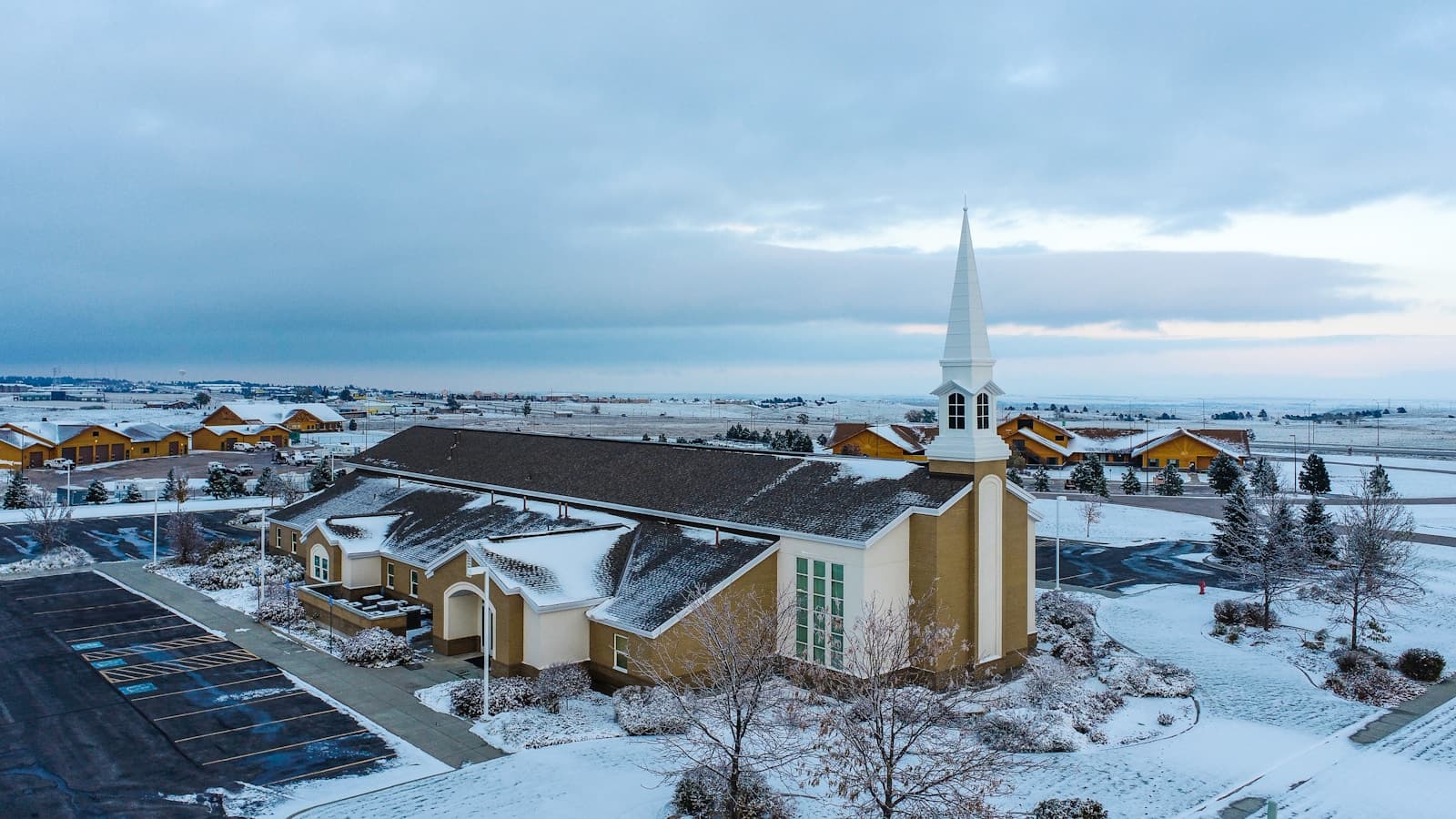
What Affects Rates in Rapid City
- Rural Highway Corridors Mixed with Urban Density: Rapid City sits at the intersection of I-90 and rural mountain highways, creating mixed risk profiles carriers price differently. High-risk drivers with speed violations or DUIs on highways face steeper increases than city-only incidents because rural highway crashes in western South Dakota carry higher severity rates.
- Elevated Uninsured Motorist Concentration: Pennington County and surrounding areas report uninsured driver rates above the state average, which pushes uninsured motorist coverage premiums higher for all drivers. High-risk drivers already facing 150–250% rate increases see an additional 10–20% load when carriers factor regional uninsured exposure into non-standard pricing.
- Seasonal Tourist Traffic and Weather Volatility: Summer tourism from Mount Rushmore and Sturgis Rally doubles traffic density in Rapid City corridors from June through August, while winter ice storms create claim spikes November through March. Carriers writing high-risk policies here price in year-round elevated claim frequency, particularly for comprehensive and collision coverage.
- Limited Non-Standard Carrier Competition: Rapid City has fewer storefront non-standard carriers than Sioux Falls, meaning high-risk drivers often rely on national non-standard writers or state-assigned risk pools. Reduced local competition typically adds $30–$70/month to high-risk premiums compared to metro markets with more specialized carriers.
- Court-Ordered SR-22 Processing Through Pennington County: DUI and suspension cases processed through Pennington County Circuit Court trigger SR-22 filing requirements that must remain active for three years without lapse. A single coverage lapse restarts the three-year clock and generates a new filing fee, making continuous coverage essential and expensive for drivers switching carriers or facing payment gaps.
Compare rates from carriers that work with drivers who have points
Standard carriers surcharge heavily after violations. These specialists price your specific record differently.
Get Your Free QuoteCoverage Recommendations
Cost estimates are based on available industry data and vary by driver profile. These are not insurance quotes.
SR-22 Insurance
SR-22 is a certificate your insurer files with South Dakota DMV proving you carry at least state minimum liability (25/50/25). In Rapid City, the filing itself costs $25–$50, but the underlying high-risk policy typically runs $150–$350/month for liability alone because carriers classify you as non-standard.
$150–$350/mo liability; $280–$550/mo full coverageEstimated range only. Not a quote.
Non-Standard Auto Insurance
Non-standard policies serve drivers with DUI, suspension, or multiple violations who standard carriers decline. In Rapid City's limited non-standard market, expect 6-month prepay requirements, higher down payments (25–40% of premium), and restricted payment plans compared to standard policies.
Typically 150–300% of standard ratesEstimated range only. Not a quote.
Liability Insurance
South Dakota requires 25/50/25 liability minimums, but high-risk drivers in Rapid City should consider 100/300/100 limits. The cost difference is often only $40–$80/month, and higher limits protect assets if you cause another accident while already under SR-22 filing, which would trigger severe license consequences.
$150–$380/mo for state minimums; $190–$460/mo for 100/300/100Estimated range only. Not a quote.
Uninsured Motorist Coverage
With Rapid City's above-average uninsured driver rates, UM coverage is critical for high-risk drivers who can't afford out-of-pocket costs from an at-fault uninsured driver. Adds $25–$60/month to high-risk policies but covers medical and repair costs when the other driver has no insurance.
$25–$60/mo added to policy costEstimated range only. Not a quote.