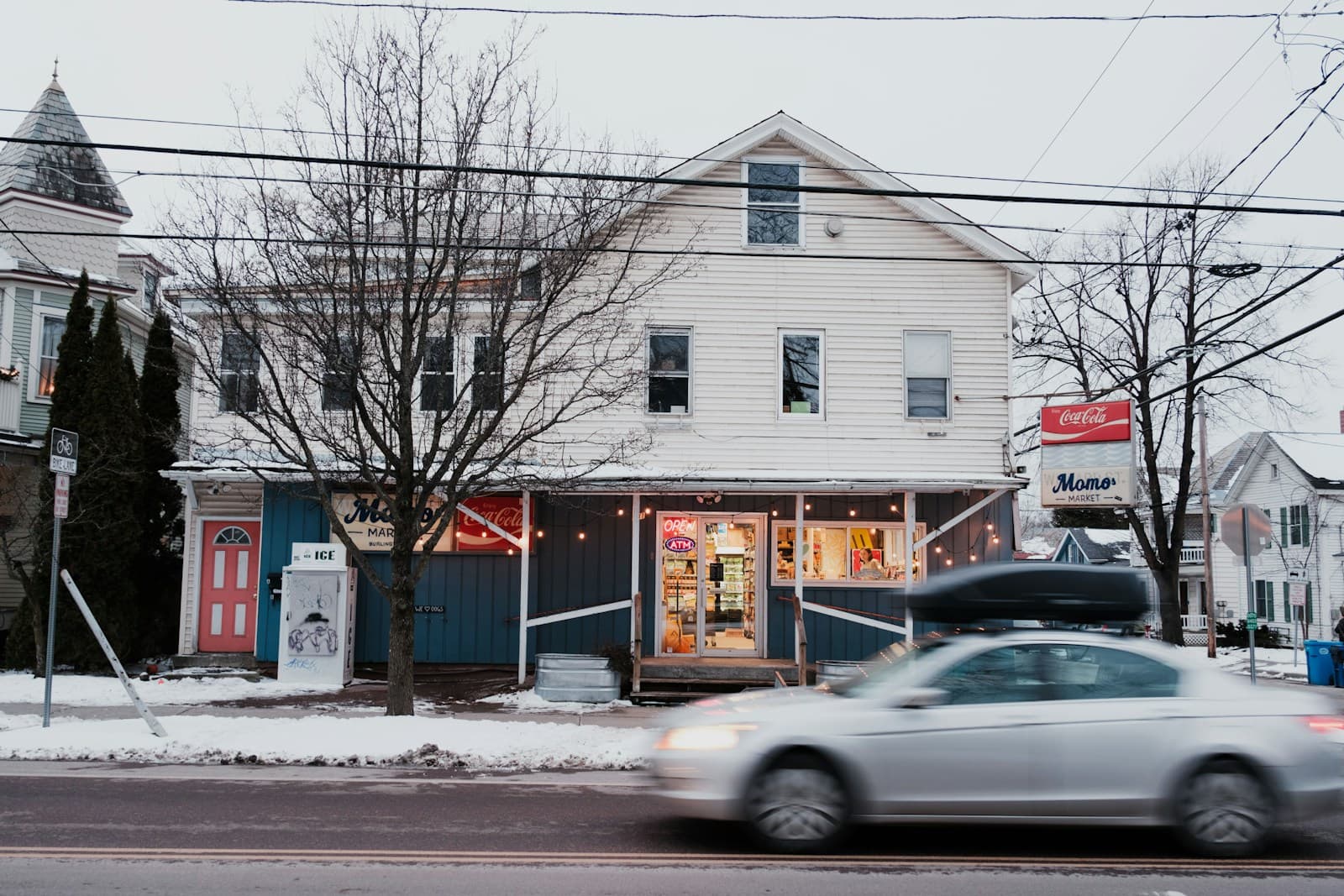
What Affects Rates in Burlington
- Extended Winter Driving Season: Burlington experiences snow and ice conditions from November through April, creating elevated accident risk for drivers with existing violations. Carriers price comprehensive and collision coverage 15–25% higher for high-risk drivers in winter-dominant markets, as a second at-fault incident during your SR-22 period can trigger policy non-renewal.
- Limited Non-Standard Carrier Competition: Vermont's small population means fewer non-standard insurers actively write policies here compared to neighboring New Hampshire or Massachusetts. High-risk drivers in Burlington often face 2–4 carrier options rather than 6–8, which reduces competitive pricing pressure and can add $30–$60/month to premiums versus larger metro areas.
- Urban Uninsured Motorist Concentration: While Vermont's uninsured driver rate sits around 6% statewide, Burlington and Chittenden County see higher concentrations due to urban density and transient student populations. High-risk drivers already paying elevated premiums should prioritize uninsured motorist coverage at 100/300 limits, adding $15–$25/month but protecting against out-of-pocket exposure from a second incident.
- Church Street and Downtown Congestion: Burlington's compact downtown and Church Street Marketplace create higher pedestrian and parking-related incident rates. Drivers with existing at-fault accidents face stricter underwriting if they live or work in the 05401 zip code, with some carriers applying urban surcharges of 8–12% on liability premiums.
- Vermont DMV Compliance Monitoring: The Vermont Department of Motor Vehicles electronically monitors SR-22 filings and immediately suspends licenses upon lapse notification from carriers. A single missed payment during your 3-year SR-22 period triggers automatic suspension, requiring a new filing and restart of the 3-year clock, which can add $800–$1,200 in annual costs if you're forced into assigned risk pools.
Compare rates from carriers that work with drivers who have points
Standard carriers surcharge heavily after violations. These specialists price your specific record differently.
Get Your Free QuoteCoverage Recommendations
Cost estimates are based on available industry data and vary by driver profile. These are not insurance quotes.
SR-22 Insurance
SR-22 is a certificate your insurer files with the Vermont DMV proving you carry at least 25/50/10 liability coverage. Burlington drivers pay $25–$50 for the initial filing, but the underlying violation (DUI, suspension, multiple at-fault accidents) raises your base premium by 60–150% for the 3-year certification period.
$25–$50 filing + 60–150% rate increaseEstimated range only. Not a quote.
Liability Insurance
Vermont requires 25/50/10 minimum liability, but high-risk drivers in Burlington should carry 100/300/100 to protect assets and demonstrate responsibility to underwriters. The jump from minimum to 100/300/100 adds $40–$70/month for drivers with violations, but a second at-fault claim at minimum limits can leave you personally liable for $50,000+ in a serious Burlington intersection accident.
$90–$180/mo for 100/300/100 limitsEstimated range only. Not a quote.
Full Coverage
Full coverage (liability + comprehensive + collision) costs $150–$300/month for high-risk drivers in Burlington, compared to $100–$180/month for clean records. If you're financing a vehicle or your car is worth over $5,000, lenders require this coverage, and dropping collision to save money during your SR-22 period can trigger loan default and forced-place insurance at 2–3× your current rate.
$150–$300/mo after violationEstimated range only. Not a quote.
Uninsured Motorist Coverage
With 6% of Vermont drivers uninsured and higher concentrations in Burlington's urban core and student areas, uninsured motorist coverage at 100/300 limits protects you if an uninsured driver causes your second accident during your SR-22 period. This coverage adds $15–$25/month but prevents out-of-pocket medical and repair costs that could exceed $30,000 in a serious hit-and-run or uninsured driver incident.
$15–$25/mo for 100/300 UM/UIMEstimated range only. Not a quote.