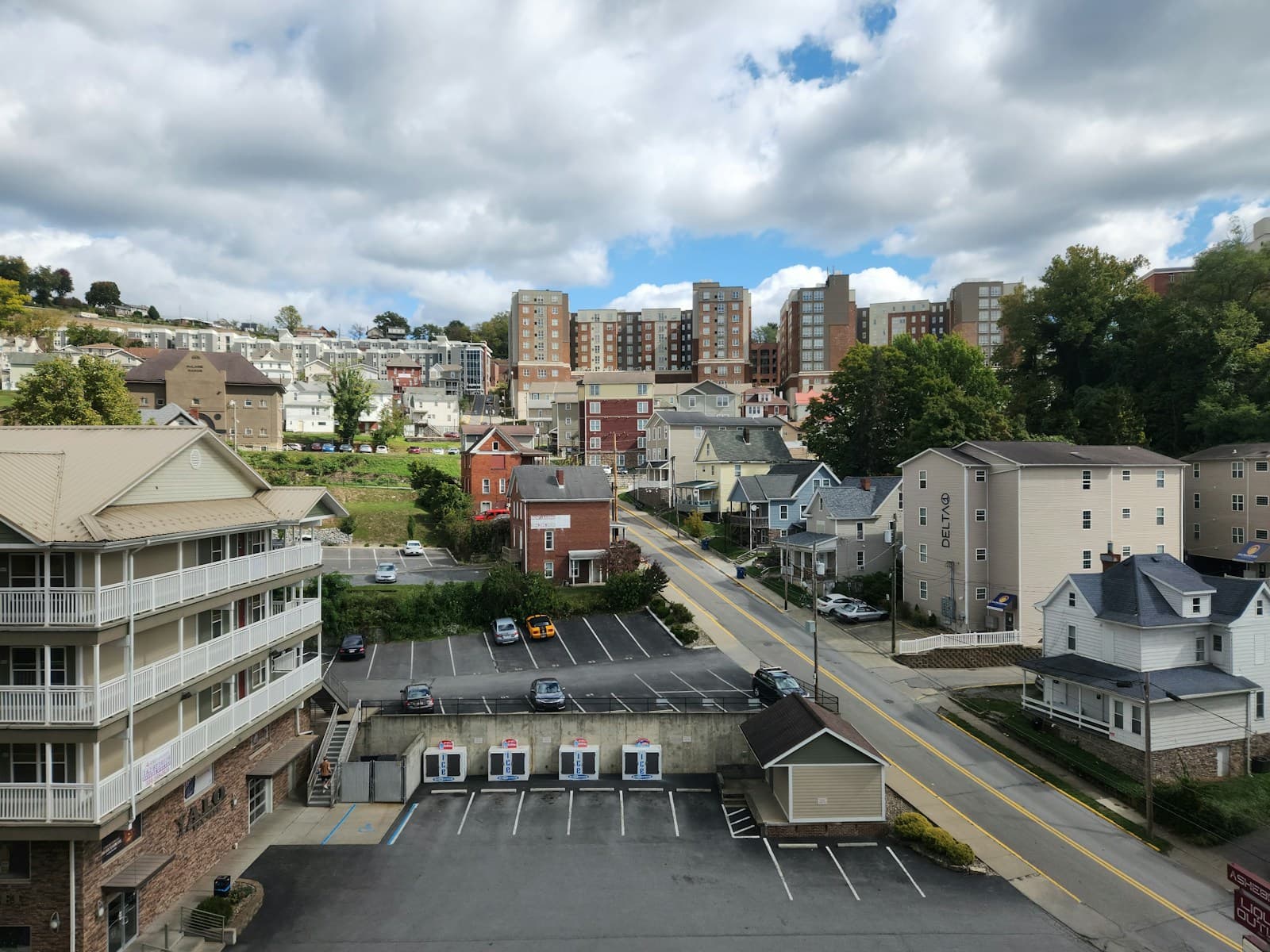
What Affects Rates in Morgantown
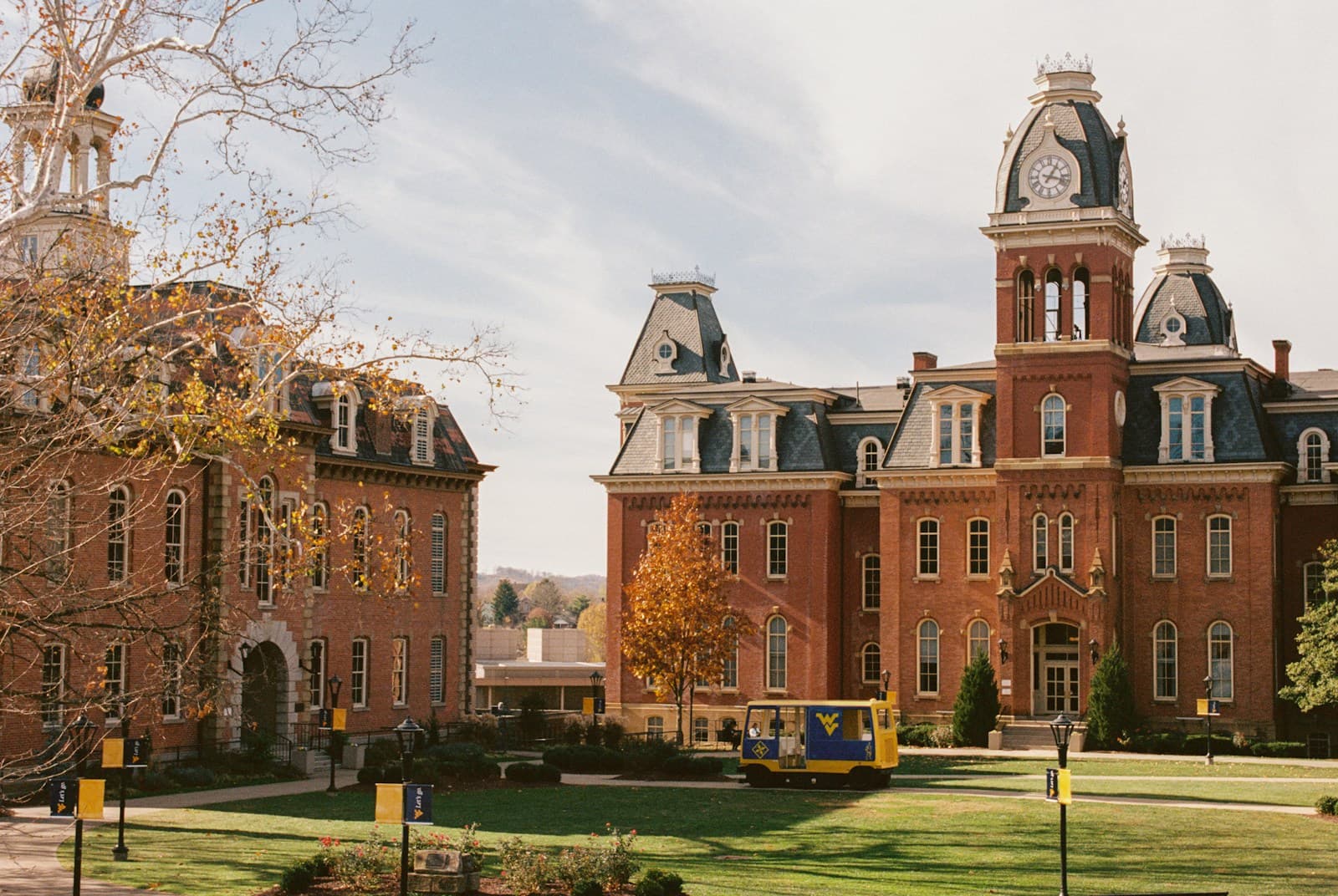
- University Traffic Density: Morgantown's West Virginia University campus brings 29,000+ students and heavy pedestrian traffic to downtown and Sunnyside corridors. High-risk drivers face elevated collision premiums in zones surrounding campus due to accident frequency in congested areas like University Avenue and Patteson Drive during academic terms.
- Personal Rapid Transit System Impact: The PRT system concentrates vehicle traffic around terminal stations at Towers, Beechurst, and Engineering, creating merge points where at-fault accidents are more common. Carriers adjust rates for drivers with prior violations who park or commute near these high-density nodes.
- Appalachian Terrain and Weather: Morgantown's hilly terrain and I-68 corridor through Cheat Lake see winter weather conditions that elevate comprehensive claims for high-risk drivers. Ice-related accidents on steep grades like Patteson Drive and Route 119 North increase rates for drivers with existing at-fault records, as carriers price in reduced margin for error.
- Non-Standard Carrier Availability: Morgantown has access to multiple non-standard and SR-22 specialty carriers serving northern West Virginia, but local agent networks are concentrated in Westover and Sabraton commercial districts. High-risk drivers often secure better rates through regional specialists familiar with Monongalia County court outcomes than through national direct writers.
- Monongalia County DUI Court System: DUI convictions processed through Monongalia County Magistrate and Circuit Courts typically result in standardized SR-22 filing orders, but completion of sobriety programs can affect reinstatement timelines. Carriers may offer rate reductions after 12–18 months of clean driving post-conviction, though the SR-22 itself remains for three years.
Compare rates from carriers that work with drivers who have points
Standard carriers surcharge heavily after violations. These specialists price your specific record differently.
Get Your Free QuoteCoverage Recommendations
Cost estimates are based on available industry data and vary by driver profile. These are not insurance quotes.
SR-22 Insurance
SR-22 is a certificate filed by your insurer with the West Virginia DMV proving you carry at least state minimum liability (25/50/25). In Morgantown, SR-22 carriers charge $25–$50 to file initially, then premium increases of 50–150% over standard rates depending on the violation that triggered the requirement.
$150–$350/mo with SR-22Estimated range only. Not a quote.
Liability Insurance
West Virginia requires 25/50/25 liability minimums, but high-risk drivers in Morgantown should consider 50/100/50 or higher given the prevalence of multi-vehicle accidents on I-68 and US-119. Raising liability limits costs $20–$40/mo more but protects against out-of-pocket exposure if you cause another at-fault accident during your SR-22 period.
$90–$200/mo (minimum to higher limits)Estimated range only. Not a quote.
Full-Coverage Insurance
Full-coverage (liability + collision + comprehensive) for high-risk drivers in Morgantown typically runs $150–$350/mo, with rates highest for DUI convictions and multiple at-fault accidents. Drivers financing vehicles or with recent accidents on campus-adjacent roads face steeper collision premiums due to Morgantown's traffic density and repair costs at local body shops.
$150–$350/mo (high-risk, full coverage)Estimated range only. Not a quote.
Uninsured Motorist Coverage
West Virginia has an uninsured driver rate around 7%, below the national average, but uninsured motorist coverage (UM/UIM) remains critical for high-risk drivers who can't afford another at-fault claim. Adding UM coverage in Morgantown costs $10–$25/mo and protects you if an uninsured driver causes an accident on high-traffic routes like I-79 or the Westover Bridge.
$10–$25/mo additionalEstimated range only. Not a quote.