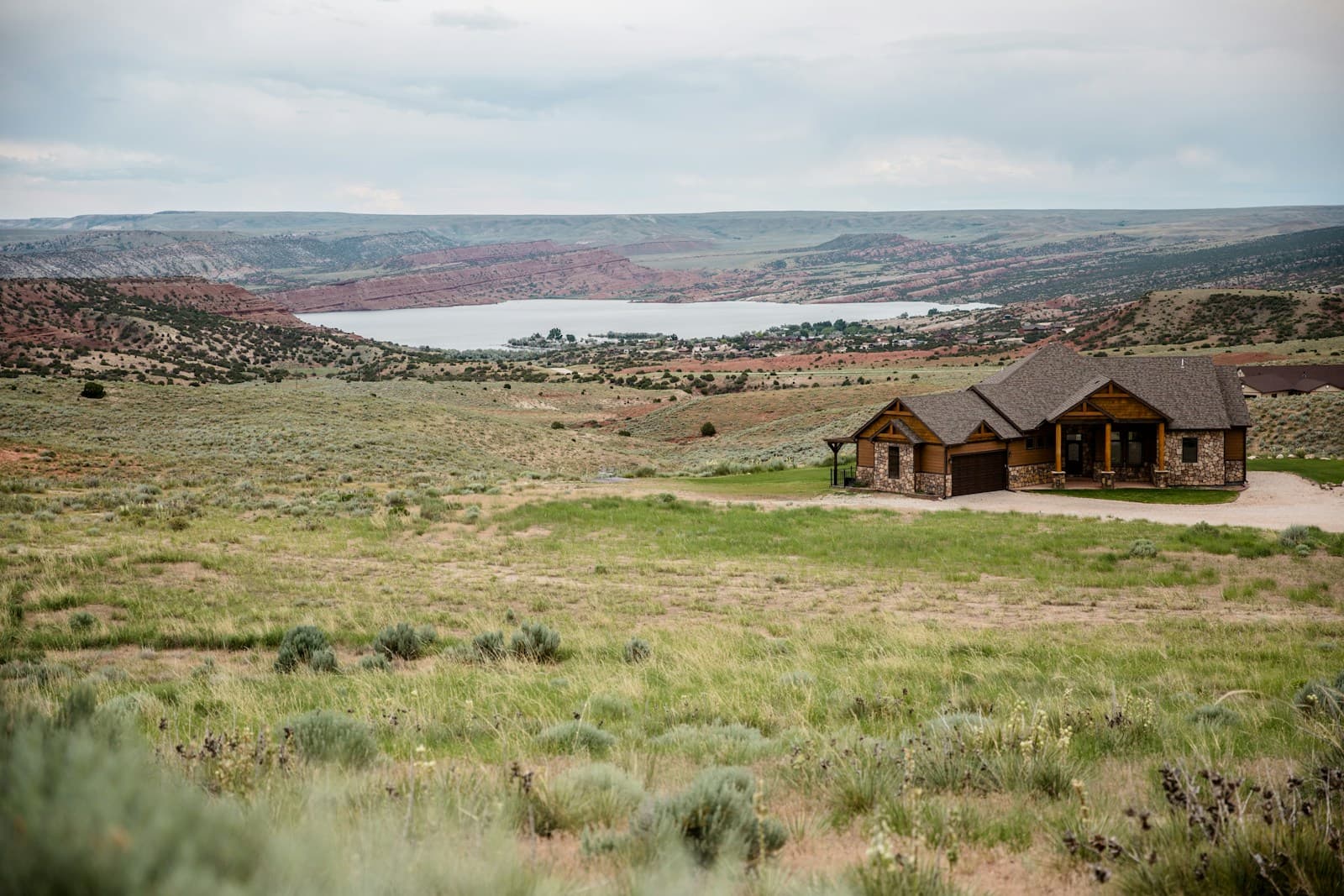
What Affects Rates in Casper
- Rural Highway Exposure: Casper sits at the junction of I-25 and US-20/26, with high-speed rural corridors where DUI arrests and single-vehicle accidents are more common than in dense urban areas. Carriers view rural highway violations as higher risk due to limited enforcement visibility and longer emergency response times, often adding 10–20% to surcharges compared to urban violation profiles.
- Severe Winter Conditions: Casper averages 78 inches of snow annually with frequent ice storms from November through March, driving up comprehensive and collision claim frequency for high-risk drivers. Carriers writing non-standard policies here typically require full coverage rather than minimum liability, adding $60–$120/month to premiums compared to liability-only options available in milder climates.
- Limited Non-Standard Carrier Presence: Wyoming's small population means fewer non-standard insurers maintain local agent networks or direct-write operations in Casper compared to larger metro areas. This reduced competition can keep high-risk rates 5–15% higher than similarly rural markets with more carrier options, and often requires drivers to work with surplus lines brokers for the most severe violations.
- Oil and Gas Industry Traffic: Casper's proximity to oil fields brings heavy truck traffic and higher collision severity on regional highways, particularly during boom cycles. High-risk drivers involved in commercial vehicle accidents or repeat violations in these corridors face steeper surcharges due to elevated claim costs, with some carriers declining coverage entirely for at-fault accidents involving commercial vehicles.
- Court System and License Reinstatement Process: Natrona County Circuit Court handles most DUI and reckless driving cases, with SR-22 filing typically required before the Wyoming Department of Transportation will reinstate driving privileges. Delays in court processing or missing a reinstatement deadline can create coverage gaps that add $200–$500 in new policy fees when seeking coverage with a lapse on record.

Compare rates from carriers that work with drivers who have points
Standard carriers surcharge heavily after violations. These specialists price your specific record differently.
Get Your Free QuoteCoverage Recommendations
Cost estimates are based on available industry data and vary by driver profile. These are not insurance quotes.
SR-22 Insurance
Wyoming requires SR-22 filing for DUI convictions, reckless driving, driving without insurance, and license suspensions for point accumulation. The SR-22 itself costs $25–$50 to file, but the underlying liability policy for high-risk drivers in Casper typically runs $80–$180/month for state minimums (25/50/20), with carriers like The General, Direct Auto, and Bristol West most actively writing SR-22 policies in the region.
$80–$180/mo minimum liability + filing feeEstimated range only. Not a quote.
Full Coverage (Collision + Comprehensive)
Most non-standard carriers in Casper require full coverage rather than liability-only for drivers with DUI or multiple violations, especially during winter months when comprehensive claims spike. Full coverage for high-risk drivers typically costs $150–$350/month depending on vehicle value and violation history, with $500–$1,000 deductibles common to keep premiums manageable.
$150–$350/mo typical rangeEstimated range only. Not a quote.
Uninsured Motorist Coverage
Wyoming doesn't mandate uninsured motorist coverage, but with roughly 8% of drivers statewide uninsured and higher rates in rural corridors around Casper, adding 25/50 UM coverage costs high-risk drivers an extra $15–$35/month. This becomes critical protection when you're already paying elevated premiums and can't afford out-of-pocket costs from an at-fault uninsured driver hitting you.
+$15–$35/mo for 25/50 limitsEstimated range only. Not a quote.
Non-Standard Auto Insurance
Drivers with DUI convictions, suspended licenses, or multiple at-fault accidents typically exit the standard market and move to non-standard carriers that specialize in high-risk profiles. In Casper, this market includes regional specialists and national non-standard writers offering monthly payment plans and immediate SR-22 filing, though rates run 60–150% higher than standard market equivalents with stricter underwriting on vehicle age and coverage limits.
60–150% surcharge vs. standard ratesEstimated range only. Not a quote.