What Affects Rates in Sitka
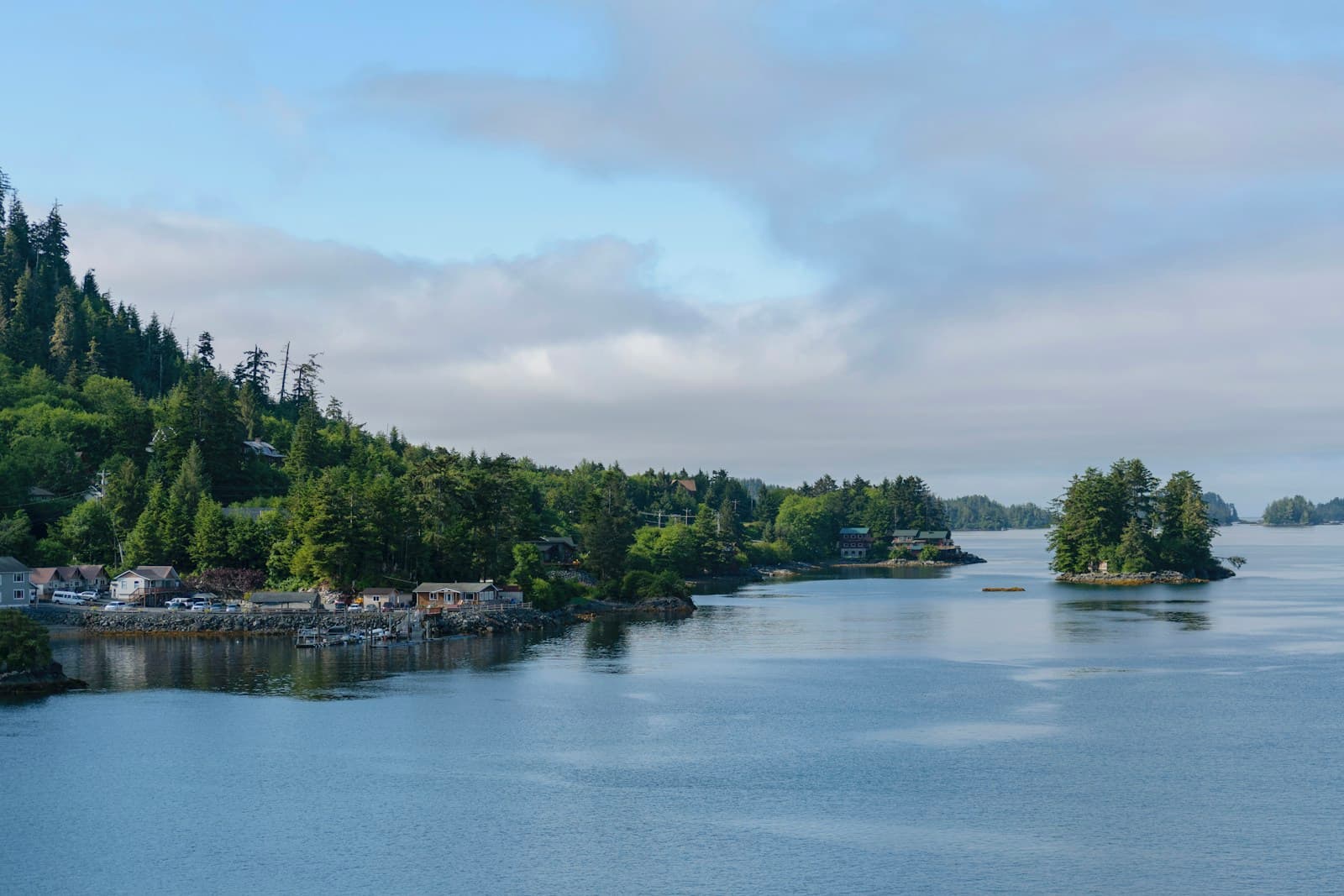
- Remote Island Geography: Sitka's location on Baranof Island with no road connections to mainland Alaska means fewer insurers operate here, reducing competition for high-risk drivers. Non-standard carriers that file SR-22s in Alaska may not write policies in Southeast Alaska's island communities, forcing some drivers to use assigned risk pools or specialty brokers.
- Year-Round Precipitation and Wildlife Hazards: Sitka averages over 90 inches of rain annually, creating persistent wet road conditions that increase comprehensive and collision claims for drivers with existing violations. Deer and bear crossings on Halibut Point Road and Sawmill Creek Road elevate wildlife collision risk, which compounds premium increases for drivers already rated high-risk.
- Limited Alternative Transportation: With no Uber, Lyft, or public transit serving most residential areas, drivers with DUIs or suspensions face higher pressure to maintain insurance coverage despite elevated premiums. This necessity gives carriers less incentive to compete on price for high-risk Sitka drivers compared to urban Alaska markets.
- Small Claims Pool and Rate Volatility: Sitka's population of approximately 8,500 creates a smaller actuarial pool, meaning a single high-cost claim from a DUI accident or uninsured driver collision can disproportionately affect local rate calculations. High-risk drivers may see steeper annual increases here than in Anchorage or Fairbanks where claim volume stabilizes rates.
- Coastal Winter Driving Conditions: Ice, sleet, and freezing rain on Sitka's hillside roads (Cascade Creek, Charcoal Point) increase accident frequency during November–March. Drivers with existing at-fault accidents or violations face compounded surcharges if they file additional weather-related claims during their SR-22 filing period.
Compare rates from carriers that work with drivers who have points
Standard carriers surcharge heavily after violations. These specialists price your specific record differently.
Get Your Free QuoteCoverage Recommendations
Cost estimates are based on available industry data and vary by driver profile. These are not insurance quotes.
SR-22 Insurance
Alaska requires continuous SR-22 filing for 3 years following DUI convictions, license suspensions, or multiple violations. In Sitka, expect non-standard carriers like The General, Direct Auto, or regional Alaska specialists to provide SR-22 certificates, as many standard insurers won't write policies for high-risk island locations.
$25–$50 filing fee plus elevated premiumEstimated range only. Not a quote.
Non-Standard Auto Insurance
Drivers with DUIs, lapses exceeding 90 days, or multiple violations in Sitka typically need non-standard carriers willing to underwrite high-risk profiles in remote Alaska communities. These policies often come with 6-month terms, higher down payments (25–40% of total premium), and mandatory electronic payment plans to maintain SR-22 compliance.
$2,160–$4,200/year in SitkaEstimated range only. Not a quote.
Liability Insurance
Alaska mandates 50/100/25 minimum liability limits, but high-risk drivers in Sitka should consider 100/300/100 given the cost of medical evacuation from island accidents and exposure to underinsured motorist claims. An at-fault accident during your SR-22 period with minimum limits can lead to personal liability exceeding $200,000 in a multi-vehicle winter crash.
Minimum coverage: $140–$280/mo for high-riskEstimated range only. Not a quote.
Uninsured Motorist Coverage
Southeast Alaska's seasonal workforce and remote location contribute to higher uninsured driver rates, making UM/UIM coverage critical for high-risk drivers already paying elevated premiums. Adding 100/300 uninsured motorist protection typically costs $15–$30/month more but protects you if hit by an uninsured tourist or seasonal worker on Sitka's two-lane roads.
$15–$30/mo added to high-risk policyEstimated range only. Not a quote.